Charging Services
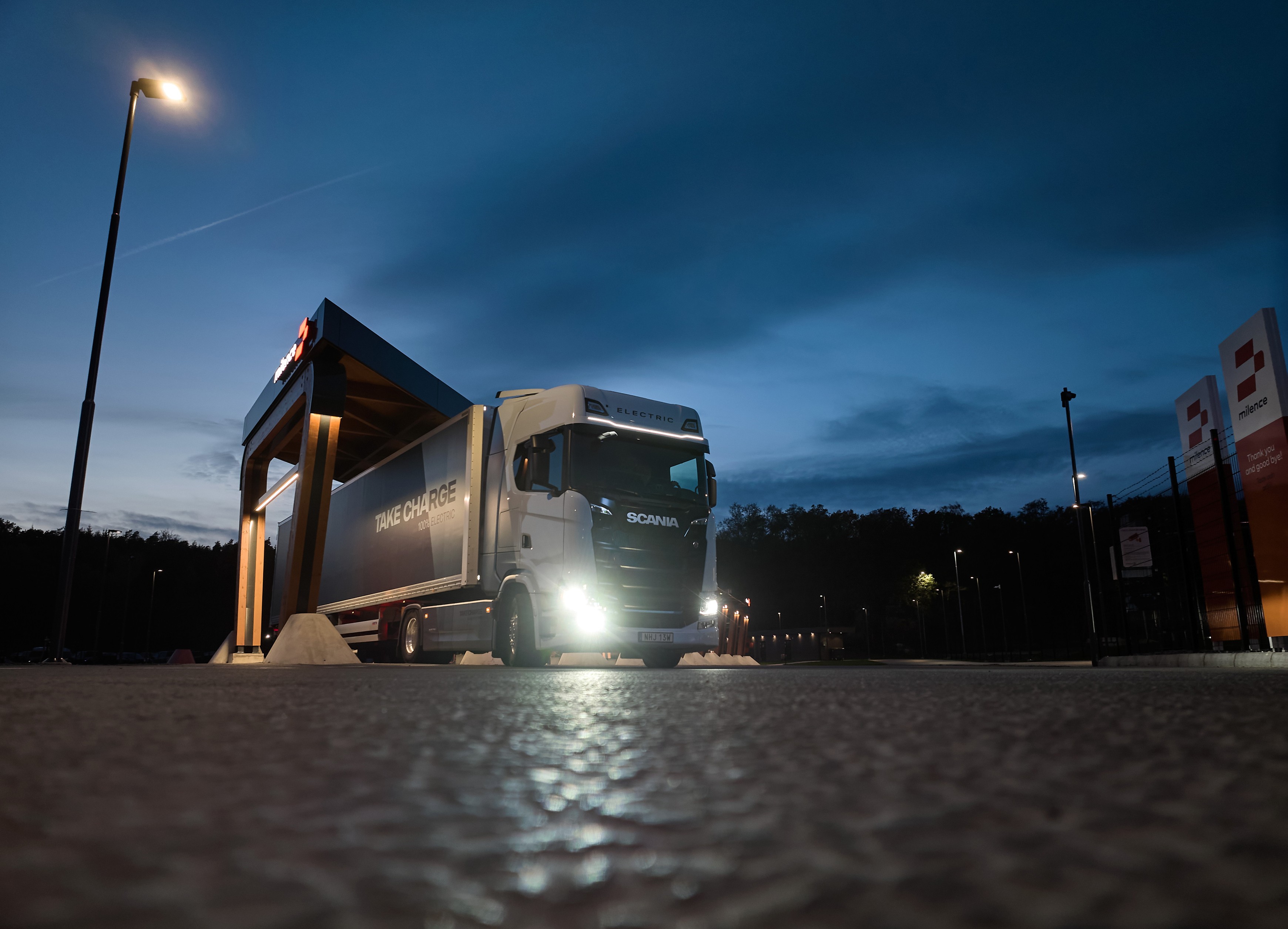
Solved charging fragmentation with one experience operators could trust
About Charging Services
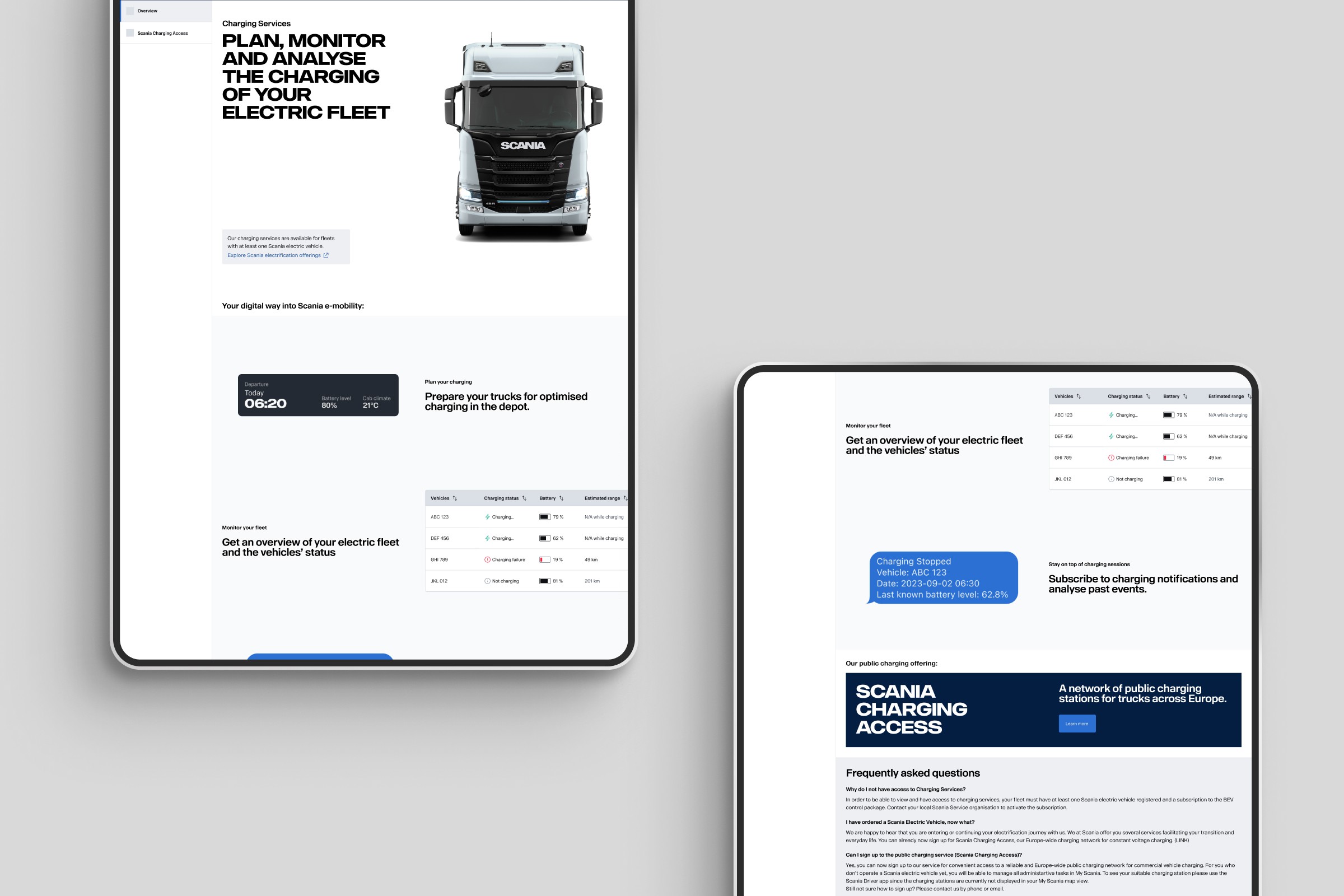
As electric trucks entered the logistics market, the charging infrastructure supporting them was anything but ready. Charging Services set out to unify fragmented networks into a single platform, giving fleet operators and drivers one place to find, evaluate, and access charge points across providers.
Outcome
Charging Platform
Role
Service Design
No. of Users
2000 Drivers

challenge
How might we replace guesswork with confidence at the exact moment drivers of electric truck needed it
Problem
Fleet managers and drivers weren't dealing with one charging network they were dealing with dozens, each with different data quality, accessibility, and reliability.
Opportunity
Route planning built on guesswork. Range anxiety baked into every trip. A growing hesitation toward electrification at the moment the industry needed confidence in it most.
process
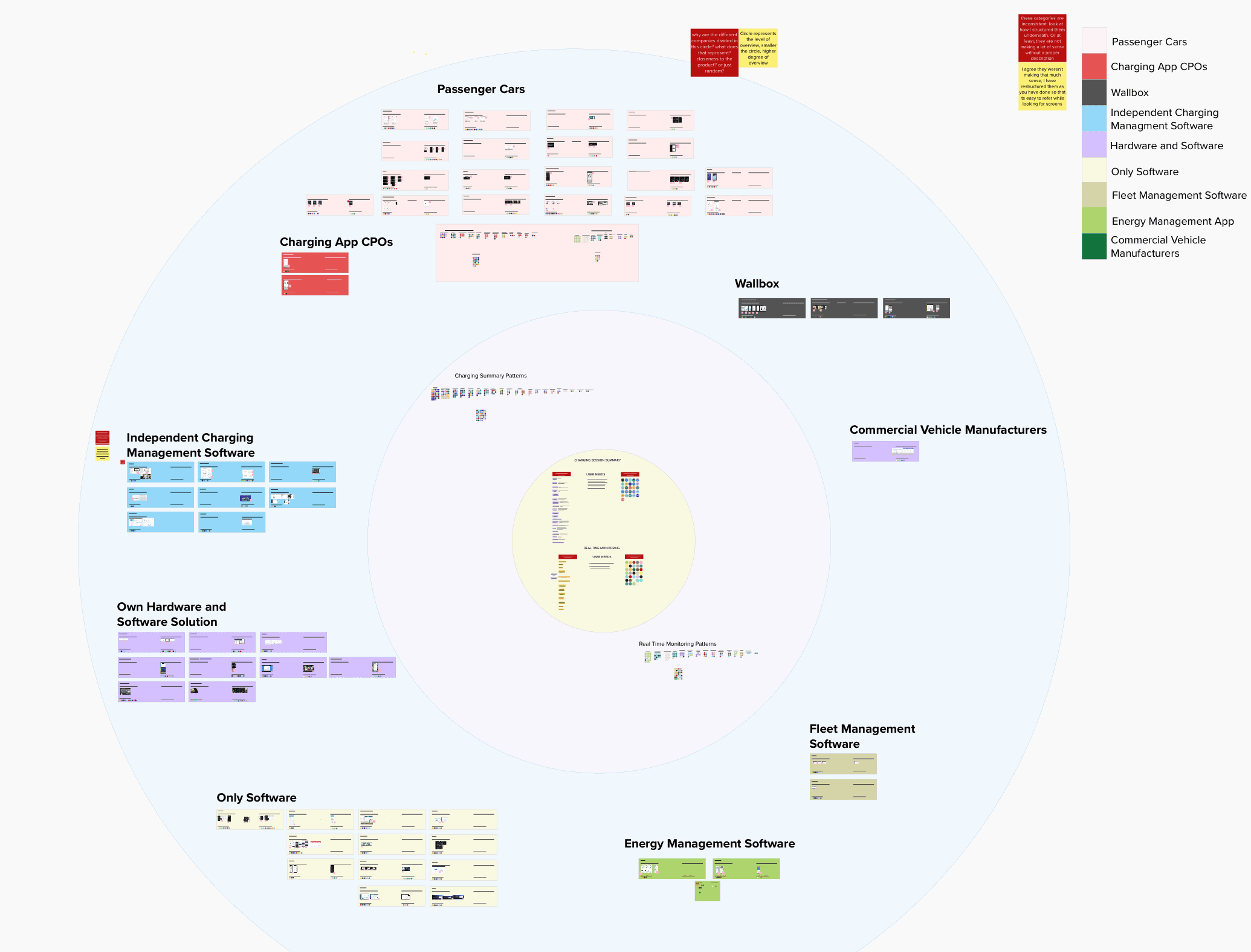
The team wanted a clean UI. Research said the problem sat underneath it
To understand what a premium experience even meant for EV trucks, I looked for the real friction. It wasn't visual.
A driver crossed Europe expecting range to be the story
It wasn't. Range was the least of it. The real problem: finding a charger that could physically take the truck was trial and error. Whether a station fit the vehicle, with or without a trailer, and whether its stated speed was even true — unknowable. No database existed for it, internally or third-party.
This was a platform problem, not a UI problem
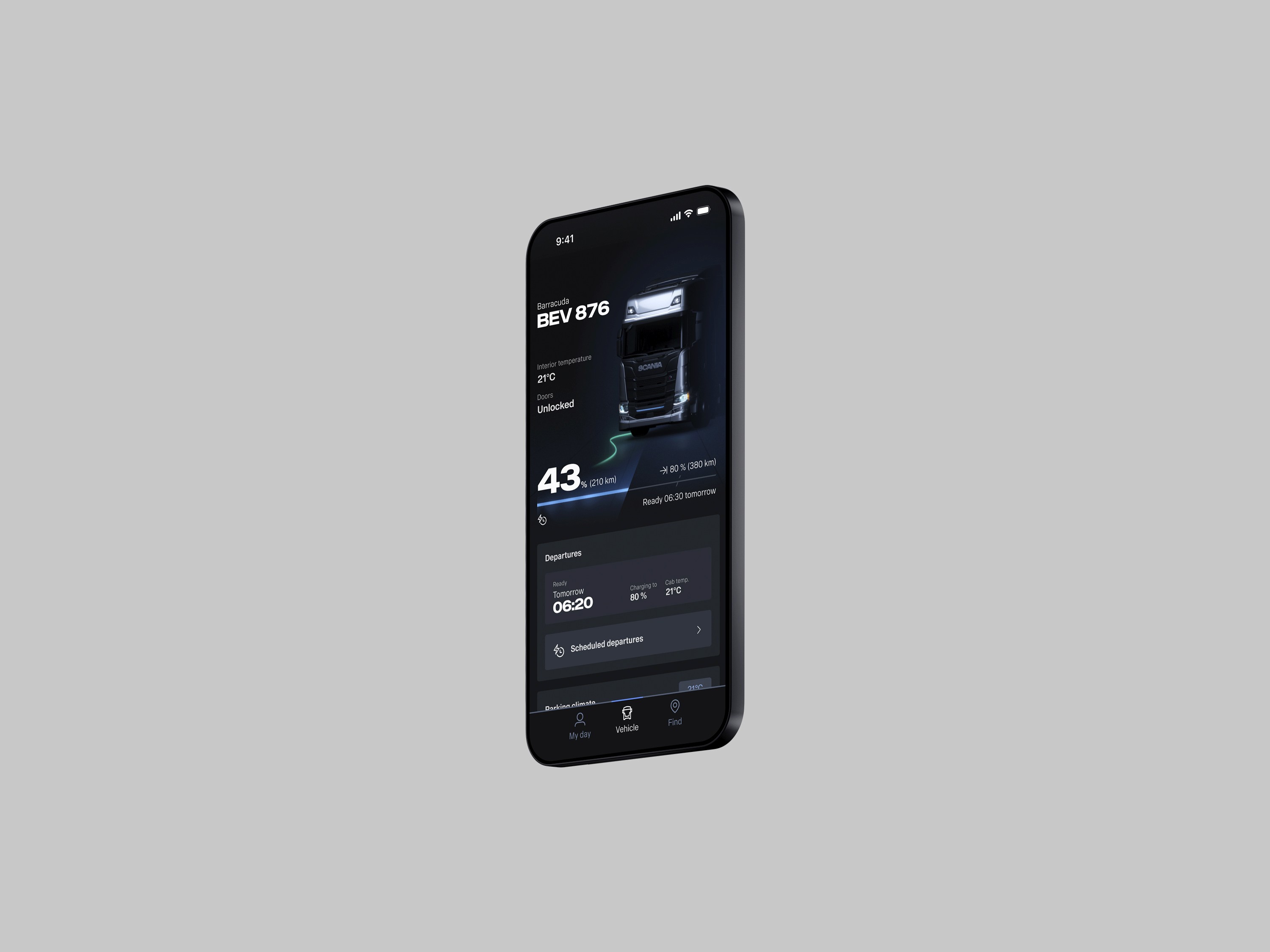
The job wasn't to make one network easier to use. It was to make a fragmented landscape behave like one coherent service, discovery, comparison, and access built into route planning, so the decision happened at the right moment.
There was no map to follow
In 2022, electric trucks were a new category no users to test against, nothing to benchmark. We borrowed from passenger EVs to start, then learned where it broke. The niche that mattered most, vehicle-specific suitability, was exactly what the car world had no answer for.
Outcome
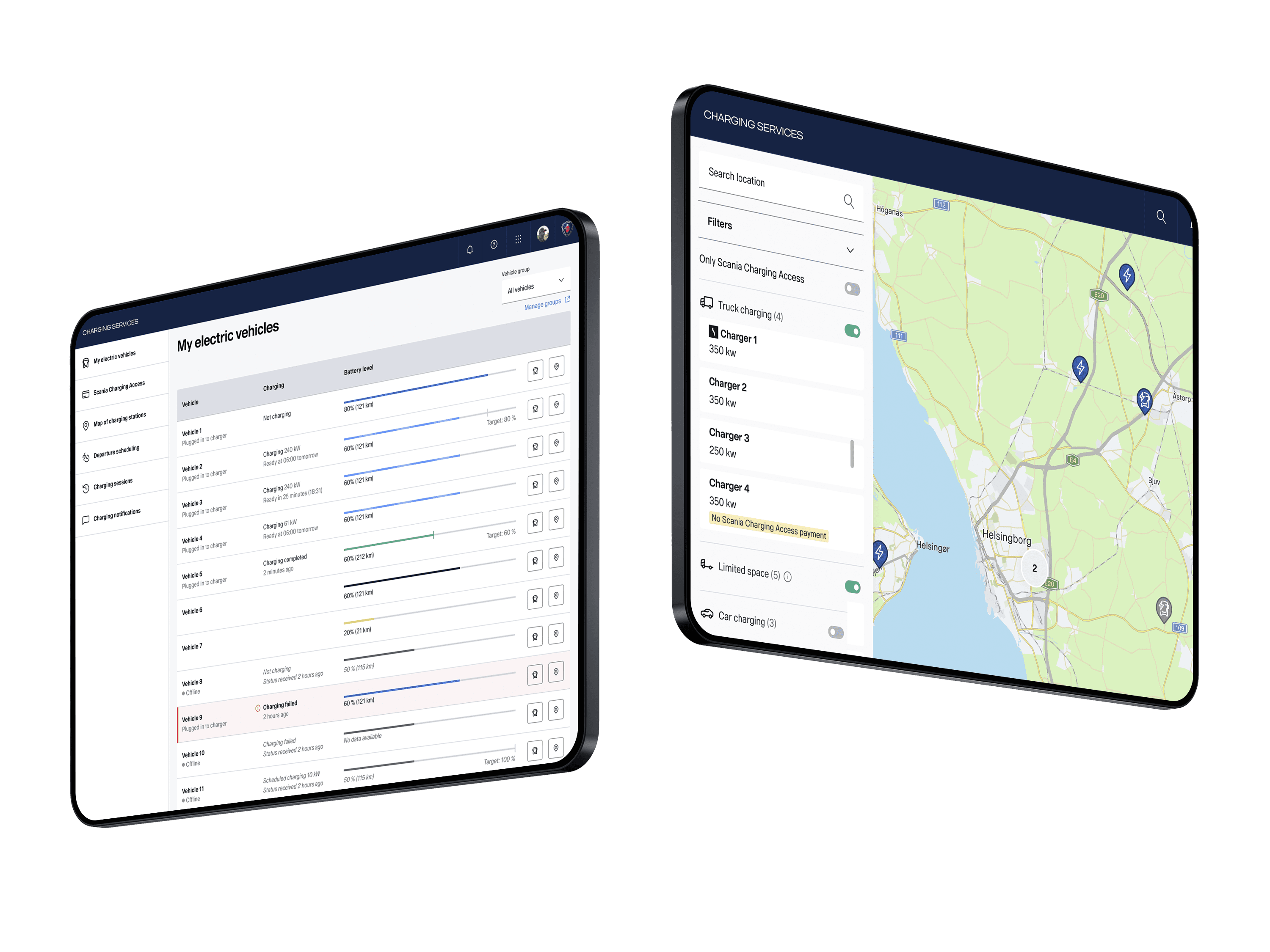
300+
charging points mapped across Europe for vehicle compatibility
The platform introduced something the industry didn't have: charge point suitability for specific vehicle configurations. Drivers could see not just whether a charger was free, but whether it could physically take their truck, with or without a trailer.
That removed one of the most persistent sources of uncertainty in electric fleet operations.
Reliability, transparency, vehicle specificity, the principles this set became the foundation the platform was built on